
Moving to Buford, GA: What You Need to Know in 2026
Moving to Buford GA in 2026 means stepping into a fast-growing small city that still feels locally grounded. According to U.S. Census QuickFacts, Buford’s population recently surpassed 17,000 residents, reflecting steady growth across Gwinnett and Hall counties. That expansion supports more retail, restaurants, and services near Lake Lanier while keeping the historic Downtown Buford core intact. Understanding housing costs, schools, commuting patterns, and lifestyle amenities in advance helps residents match expectations to reality before boxes ever arrive on Main Street or Buford Highway.
What makes moving to Buford GA appealing in 2026?
Several forces combine to make moving to Buford GA attractive for 2026 relocations. According to tourism data from Explore Gwinnett, visitors and residents benefit from proximity to Lake Lanier, the Mall of Georgia, and the Buford Community Center, Town Park & Theatre. Historic storefronts along Main Street mix with newer developments near Buford Drive and Buford Highway, creating options ranging from loft-style units above shops to established neighborhoods near Bona Road Park and Buford Dam Road.
Affordability relative to closer-in Atlanta suburbs is another draw. Based on housing market summaries from Redfin, many closed sales in Buford fall in a broad range from roughly $350,000 to around $650,000, depending on age, size, and proximity to Lake Lanier or the Mall of Georgia. This range keeps Buford competitive with nearby communities like Flowery Branch and Braselton while supporting continued new construction along Hamilton Mill Road and Peachtree Industrial Boulevard.
On a clear evening in Downtown Buford, the glow from the Buford Community Center marquee reflects off brick facades along Main Street, while the smell of barbecue drifts from Tannery Row Ale House. Music spills from Aqua Terra Bistro’s doorway, blending with the low hum of traffic on Buford Highway and the clink of dishes at Rico’s World Kitchen. The sidewalks feel solid underfoot, and string lights give the Town Park lawn a soft, inviting atmosphere.
How does the Buford GA housing market look for 2026 movers?
Housing dynamics are changing for anyone moving to Buford GA in 2026. According to current figures from Redfin, recent sales show many single-family homes trading in the general range of $400,000 to about $750,000, with townhomes and smaller properties sometimes closing closer to $325,000. Limited inventory, particularly inside the Buford City Schools attendance zones, can tighten competition in well-kept subdivisions off Buford Dam Road, Thompson Mill Road, and Gravel Springs Road.
Property taxes also affect long-term cost planning. Based on estimates compiled by SmartAsset, Gwinnett County’s effective property tax rate commonly falls in a band around 1% to approximately 1.2% of assessed value, while Hall County’s effective rate generally ranges near 0.8% to about 1.1%. These figures help frame annual expenses for homes near Bogan Park, Buford City Park, or along Peachtree Industrial Boulevard.
Condo and townhome communities near the Mall of Georgia and along Buford Drive offer alternatives for residents seeking lower-maintenance living. According to community profiles on Realtor.com, attached homes in this corridor frequently list between roughly $280,000 and around $450,000, depending on amenities such as pools, fitness centers, and gated access. That diversity of options allows different household types to position budgets carefully while still gaining access to local parks and retail centers.
What are schools and education like in Buford GA?
Schools play a major role when moving to Buford GA, particularly because of the reputation of Buford City Schools. According to GreatSchools, Buford High School currently holds a rating of 9 out of 10, with strong marks in college readiness and test scores. The district’s compact structure, serving students through Buford Senior Academy, Buford Academy, Buford Middle School, and Buford High School, concentrates resources within a relatively small geographic area anchored near Sawnee Avenue and Buford Highway.
Outside the city district, large portions of the Buford mailing area fall into Gwinnett County Public Schools, including campuses near Bogan Park and the Hamilton Mill Road corridor. GreatSchools profiles show several nearby elementary and middle schools scoring between roughly 7 and around 9 out of 10, based on test scores and equity measures. This variety gives households flexibility when choosing between Buford City Schools zones, Gwinnett County schools, or private options near Peachtree Industrial Boulevard.
Higher education and technical training also matter in long-term planning. Local residents have access to campuses such as Lanier Technical College in nearby Gainesville and several Gwinnett campuses of Georgia Gwinnett College and the University of North Georgia within roughly 30 to about 45 driving minutes, according to regional campus maps compiled by Explore Gwinnett. That access supports career pivots and continuing education without relocating away from Buford’s established neighborhoods and lake-adjacent communities.
How convenient is commuting and daily life after moving to Buford GA?
Commuting and errands form a central part of daily life for anyone moving to Buford GA. According to the Buford page on Walk Score, the city currently posts a Walk Score in the low 30s, indicating a largely car-dependent layout, while some downtown blocks rate higher due to clustered shops and restaurants. Buford Highway, Peachtree Industrial Boulevard, and Interstate 985 serve as major commuting arteries, linking residents with employment centers in Gwinnett and Hall counties.
Healthcare access is another quality-of-life factor. Area residents commonly use Northside Hospital Gwinnett in Lawrenceville and Northeast Georgia Medical Center Braselton. Hospital network data summarized by Georgia Hospital Association show both systems handling tens of thousands of patient visits annually, with emergency and specialty care reachable within roughly 20 to about 35 minutes from many Buford neighborhoods. Clinics and urgent care centers cluster along Buford Drive and near the Mall of Georgia.
Morning traffic along Buford Drive carries a steady bass note of engines as sunlight glints off the glass storefronts facing the Mall of Georgia. The smell of coffee drifts from national chains near the intersection with Gravel Springs Road, mixing with the faint scent of asphalt warming under early heat. Inside the Mall, smooth tile floors, cool air conditioning, and background music soften the transition from the busier flow of Buford Highway outside.
What lifestyle, parks, and things to do await when moving to Buford GA?
Lifestyle amenities strongly influence satisfaction after moving to Buford GA. Lake Lanier and the Lanier Islands resort complex provide boating, fishing, and lakeside recreation a short drive from Downtown Buford. According to visitor information from Lanier Islands, the resort offers hundreds of marina slips, multiple lakeside dining options, and seasonal attractions that draw hundreds of thousands of visitors annually. Closer to town, parks like Bogan Park, Buford City Park, and Bona Road Park deliver playgrounds, athletic fields, and walking trails.
The Buford Community Center, Town Park & Theatre anchors cultural programming on South Hill Street. Event listings highlighted by Explore Gwinnett show a calendar filled with concerts, theater productions, and community festivals each year, drawing crowds to the Town Park lawn and the indoor theater. Nearby, restaurants such as Aqua Terra Bistro, Tannery Row Ale House, and Rico’s World Kitchen provide dining choices ranging from Southern comfort food to seafood and global-inspired menus.
Retail options extend beyond the Mall of Georgia to include local shops in the historic Tannery Row complex and along Main Street. Specialty boutiques, art galleries, and salons occupy former industrial spaces and brick storefronts. Combined with fitness centers near Buford Highway and Peachtree Industrial Boulevard, these choices allow residents to organize routines around local businesses while still having access to regional destinations across Gwinnett and Hall counties. Seasonal events and sports leagues at Bogan Park and Buford City Park further enrich community life throughout the year.
The 17,000-resident scale cited at the start of this guide reflects Buford’s transition from small mill town to established regional hub without losing a recognizable identity. That population figure from U.S. Census QuickFacts underscores the balance between growth and familiarity that defines daily life between Lake Lanier, Main Street, and the Mall of Georgia corridors. The Georgia Multiple Listing Service offers detailed listing histories and status updates that clarify how fast-priced properties shift across Buford’s subdivisions. Buyers who register listing alerts through that platform and commit to scheduling tours within 48 hours of a new listing before the late-spring 2026 inventory peak typically secure stronger negotiation positions, while those delaying until midsummer often encounter tighter choices and higher competing offers.
FROM OUR BLOG
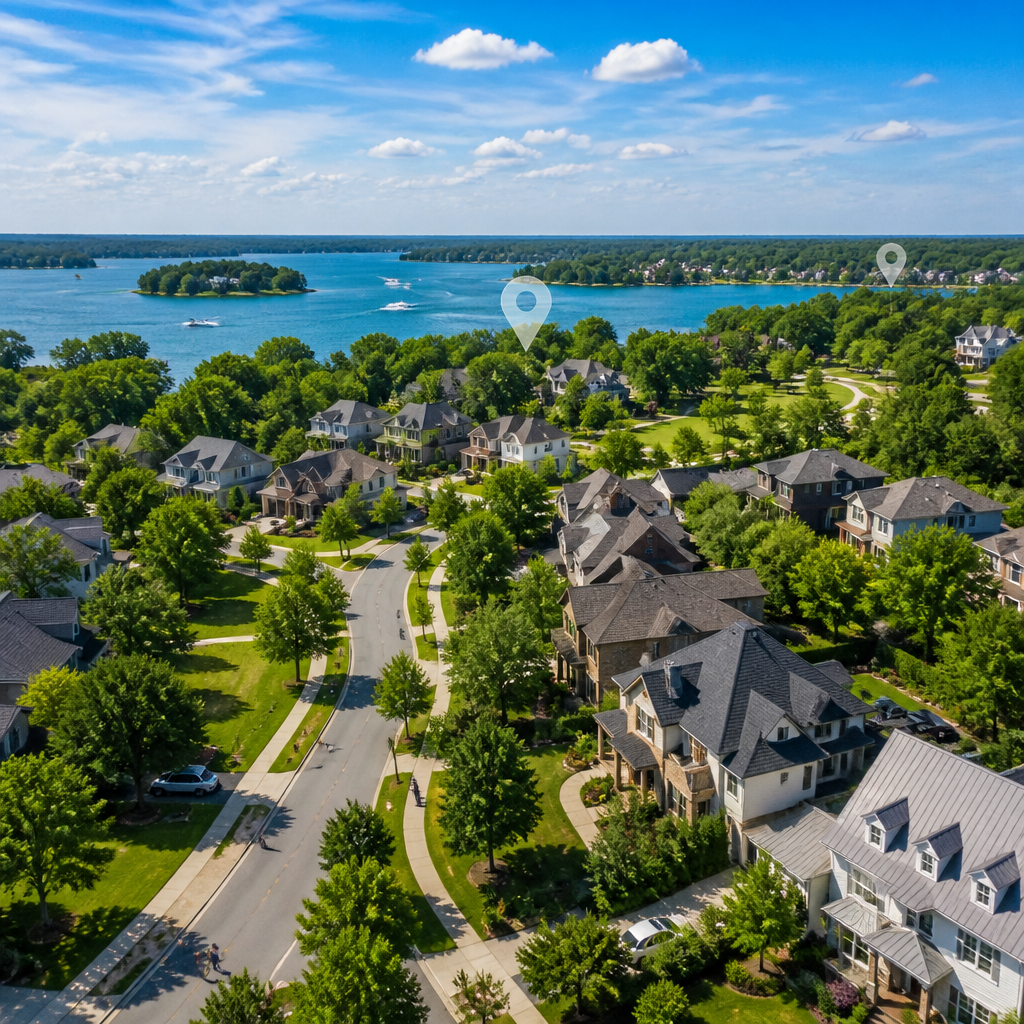

Essential Tips for First-Time Home Buyers in Flowery Branch, GA
Essential Tips for First-Time Home Buyers in Flowery Branch, GA First-time home buyers in Flowery Branch GA face a fast-evolving market shaped by regional growth around Lake Lanier and metro Atlanta. According to National Association of Realtors data from 2023, first-time buyers represented about 32
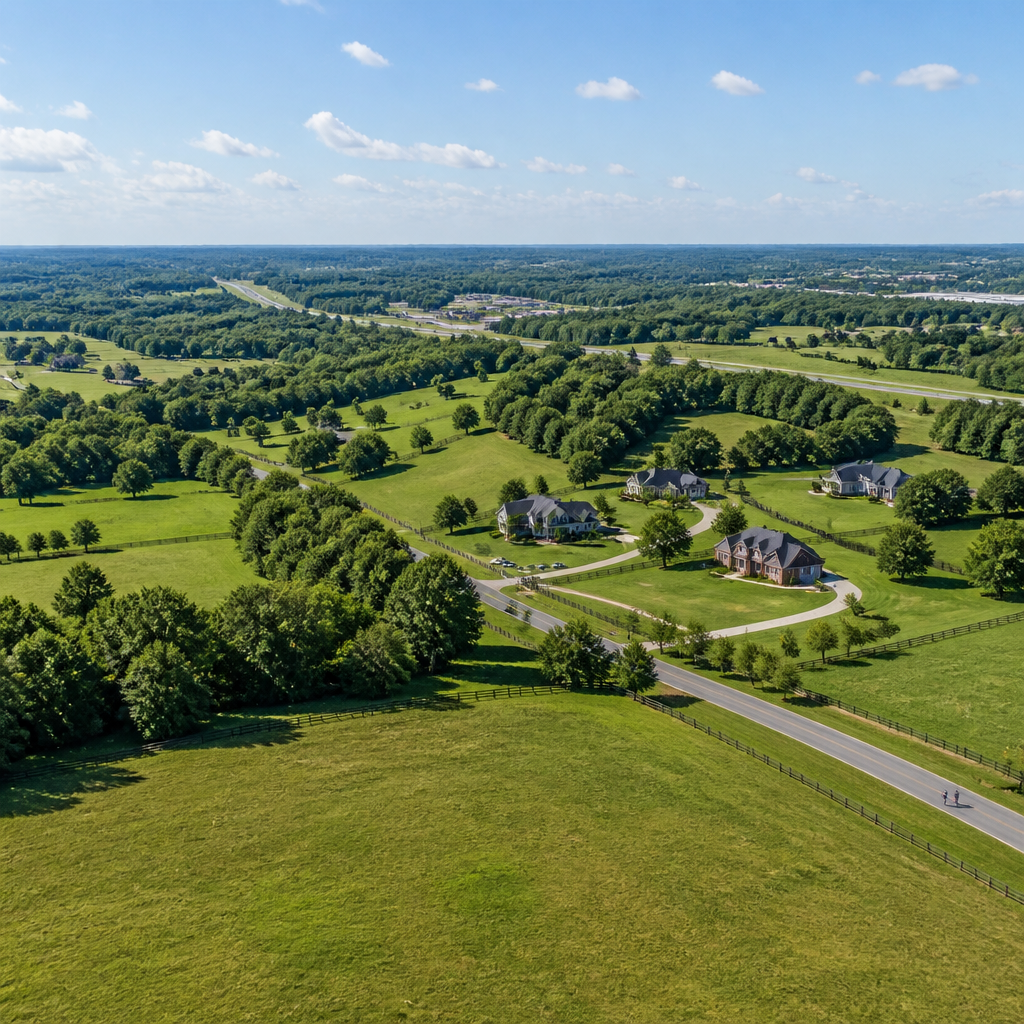
Exploring Acreage Properties in Braselton, GA: A Comprehensive Guide
Exploring Acreage Properties in Braselton, GA: A Comprehensive Guide Acreage properties in Braselton GA attract buyers seeking space, privacy, and proximity to major employment centers along I-85. According to Redfin, the broader Braselton market saw listing prices range roughly between $350,000 and
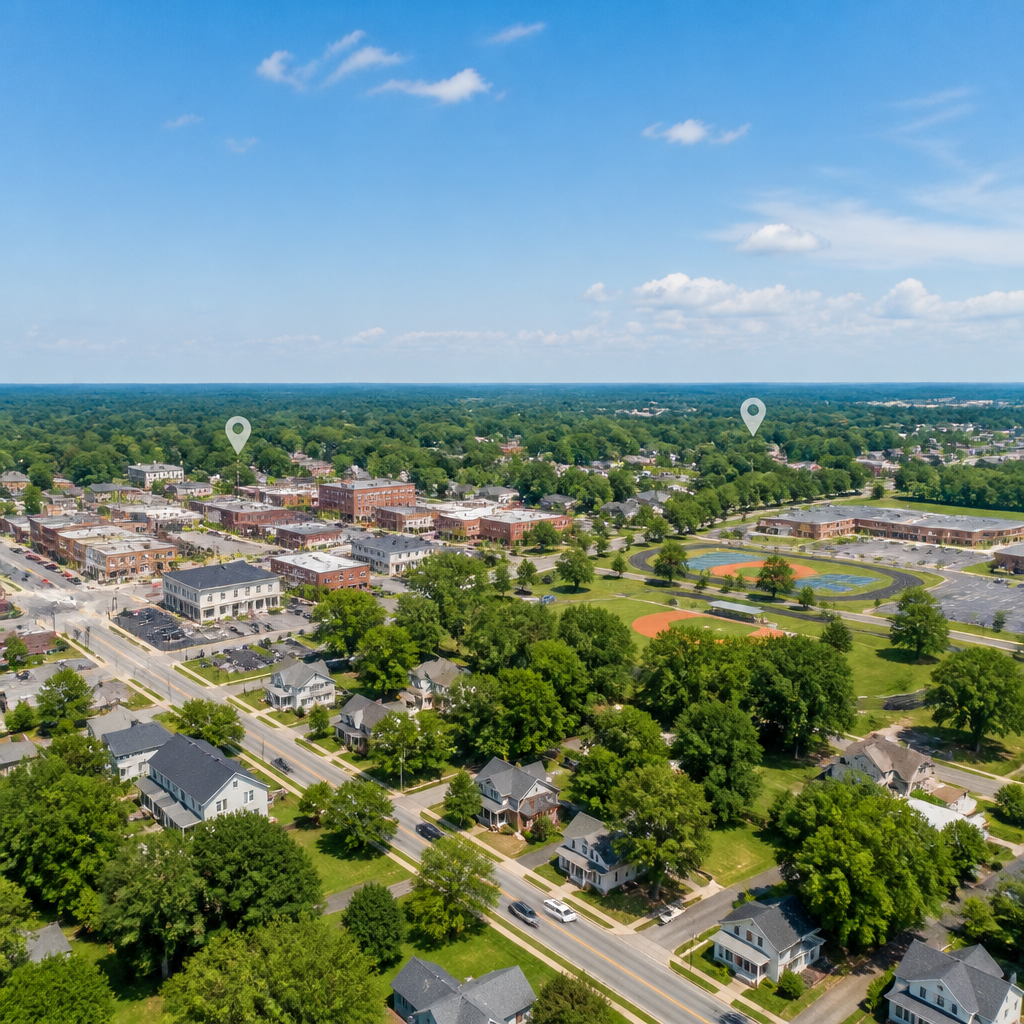
Discover Barrow GA Homes for Sale: Your 2026 Guide to Buying
Discover Barrow GA Homes for Sale: Your 2026 Guide to Buying Barrow GA homes for sale in 2026 offer a mix of small-town charm and metro Atlanta access that continues to attract buyers from across Georgia. According to Realtor.com, the Barrow County market has carried an active inventory in the low h