
Relocating to Gainesville GA: Essential Tips for 2026 Movers
Relocating to Gainesville GA in 2026 means entering a growing regional hub with a distinct small-city feel. According to U.S. Census QuickFacts, Gainesville’s population passed 43,000 residents in 2023, reflecting steady growth over the past decade. That expansion supports new employers, retail options, and infrastructure while still preserving local character around Green Street and the Historic Downtown Square. Understanding housing costs, commute realities, school options, healthcare access, and lifestyle amenities in advance helps new residents align expectations with the daily rhythm of life in Hall County.
How Do Housing Costs and Neighborhood Options Compare in 2026?
Housing is a primary concern for anyone relocating to Gainesville GA. According to Redfin data through early 2026, many single-family homes in Gainesville trade in a range between $280,000 and $420,000, depending on age, size, and proximity to Lake Lanier. Properties in established areas around Enota Drive, Riverside Drive, and Thompson Bridge Road often command premiums, particularly when located near Gainesville High School or Centennial Arts Academy, both recognized locally for strong academic and extracurricular programs.
Condos and townhomes present alternatives for residents prioritizing low maintenance living. Based on listing snapshots from Realtor.com, attached homes along Mundy Mill Road, Atlanta Highway, and near Lakeshore Mall frequently list between $230,000 and $320,000. Some newer communities near the intersection of Dawsonville Highway and McEver Road feature amenities such as community pools, fitness centers, and walking trails that soften the transition for residents arriving from larger metropolitan markets like Atlanta or Charlotte.
Luxury buyers often focus on lakefront or lake-access neighborhoods. According to market overviews from Zillow, high-end homes around the Chattahoochee Golf Club shoreline and the North Lake Lanier area can range from approximately $900,000 to about $2.4M, depending on water frontage and dock permits. Streets such as Club Drive, Harbour Point Parkway, and Cherokee Trail frequently showcase custom builds, expansive outdoor living areas, and deepwater access, offering a resort-like lifestyle within roughly 55 miles of downtown Atlanta.
What Should New Residents Know About Commuting and Transportation?
Transportation patterns in Gainesville differ from dense urban cores, and understanding them before relocating to Gainesville GA reduces stress. According to Walk Score, Gainesville holds a Walk Score of around 33, which classifies most areas as car-dependent. The compact Historic Downtown Square around Spring Street, Washington Street, and Green Street Northwest offers higher walkability, with restaurants, offices, banks, and civic buildings clustered around Roosevelt Square and the Hall County Courthouse complex.
For regional commuters, State Route 365, U.S. 129, and I-985 form key corridors. According to mapping estimates summarized by Georgia.org, the drive from central Gainesville to Hartsfield-Jackson Atlanta International Airport typically spans about 70 miles and may require between 75 and 95 minutes at peak times. Gainesville’s Amtrak station along Industrial Boulevard provides an additional option for occasional rail travel toward Atlanta or points north, though schedules remain limited compared with Metro Atlanta transit choices.
Late afternoon near the Midland Greenway reveals much about local movement patterns. The soft hum of cars along Jesse Jewell Parkway mixes with the distant horn of a Norfolk Southern freight train gliding past the Gainesville station. Fresh-cut grass from the landscaped paths along Palmour Drive carries a clean scent, while the warm brick facades of warehouses converted to studios reflect golden light. Cyclists roll past toward Longwood Park, illustrating how residents blend driving, walking, and biking in daily routines.
How Strong Are Schools and Educational Resources in Gainesville?
Education quality often shapes relocation decisions, and Gainesville offers a mix of public, charter, and private options. According to GreatSchools, Gainesville High School on Pearl Nix Parkway receives mid-range ratings but stands out for advanced placement participation and arts programs, supporting students from surrounding neighborhoods like Forest Park and New Holland. Gainesville Middle School West and Gainesville Middle School East, located along McEver Road and Jesse Jewell Parkway respectively, distribute enrollment across the growing city.
Families seeking elementary options look to Centennial Arts Academy on Island Drive, Enota Multiple Intelligences Academy on Enota Avenue, and Fair Street International Academy near the Downtown Square. GreatSchools data shows several Gainesville elementary schools scoring between 5 and 7 out of 10, reflecting solid but varied performance. Nearby, Lakeview Academy on Enota Drive offers a private college-preparatory environment, while Riverside Military Academy along Riverside Drive provides a structured program that attracts students from multiple states.
Higher education access strengthens Gainesville’s appeal for long-term residents. Brenau University, located near Boulevard and Green Street, delivers undergraduate and graduate programs in nursing, business, and fine arts. According to institutional statistics shared by Brenau University, enrollment stands in the low 3,000s across multiple campuses and online programs. Lanier Technical College’s Hall County campus on Howard Road further expands workforce training, providing certificates in healthcare, logistics, and manufacturing aligned with regional employer needs.
What Healthcare, Employment, and Daily Services Are Available?
Healthcare access represents a key strength for anyone relocating to Gainesville GA. Northeast Georgia Medical Center Gainesville on Spring Street functions as a major regional hospital. According to Northeast Georgia Health System, the Gainesville campus includes more than 600 beds and handles tens of thousands of emergency visits annually, serving Hall and surrounding counties. Nearby medical office buildings along Prior Street, Jesse Jewell Parkway, and Park Hill Drive host specialists in cardiology, oncology, orthopedics, and women’s health.
Employment prospects span healthcare, manufacturing, logistics, and education. The City of Gainesville notes on its official site that several industrial employers cluster around the Gainesville Industrial Park and the Memorial Park Drive corridor, taking advantage of proximity to I-985 and State Route 13. Distribution centers along White Sulphur Road and Calvary Church Road support regional supply chains, while retail and dining jobs concentrate near Lakeshore Mall, Dawsonville Highway, and the Downtown Square.
A weekday lunch hour near the Historic Downtown Square captures the sensory texture of Gainesville’s service core. The aroma of smoked meat drifts from Recess Southern Gastro Pub on Bradford Street, mingling with the sharper scent of fresh espresso from Inman Perk Coffee along Washington Street. Conversations spill from patio tables, punctuated by the occasional church bell from First Baptist Church on Green Street. The brick sidewalks feel warm underfoot, and storefront windows reflect the steady flow of hospital staff and office workers crossing Main Street.
Daily services extend across the city’s commercial corridors. Groceries and everyday essentials cluster along Shallowford Road, Pearl Nix Parkway, and Browns Bridge Road, where national chains sit beside local businesses such as Jaemor Farms Market’s Gainesville location. The Georgia Multiple Listing Service, accessible at GAMLS, provides detailed property data that local professionals use to track leasing and purchase opportunities within these service-rich corridors, helping incoming residents match housing choices with preferred retail conveniences.
What Recreation, Parks, and Cultural Amenities Define Gainesville Living?
Recreation options in Gainesville center strongly around Lake Lanier and an expansive park network. According to the city’s parks overview at Explore Gainesville, facilities include more than 20 parks and recreational sites. Lanier Point Park, located off Dawsonville Highway, features sports fields and lakeside trails, while Wilshire Trails Park and Longwood Park along the shoreline offer playgrounds, picnic areas, and extensive walking paths. The Midland Greenway repurposes rail corridors into multiuse trails connecting downtown to south Gainesville neighborhoods.
Cultural amenities further enhance daily life. The Atlanta Botanical Garden Gainesville on Cleveland Highway showcases seasonal plant displays and educational programs. Smithgall Arts Center near Chestnut Street hosts concerts, theater productions, and gallery exhibitions, supporting a lively arts calendar. The interactive nature-focused exhibits at Elachee Nature Science Center in the Chicopee Woods Nature Preserve provide outdoor learning experiences, with several miles of hiking trails located just a short drive from neighborhoods near Atlanta Highway and Tumbling Creek Road.
Sports and organized activities also play a central role in community life. The Chattahoochee Golf Club on Tommy Aaron Drive offers an 18-hole course operated by the city, while Lanier Canoe and Kayak Club at Lake Lanier Olympic Park supports water sports programming and regional competitions. According to participation estimates noted in city recreation materials, thousands of residents engage annually in programs across soccer, baseball, tennis, and aquatics, with enrollment levels in several youth leagues surpassing 1,000 participants each season.
The 43,000-resident population cited at the start of this guide reflects a community large enough to sustain regional healthcare, diversified employers, and robust parks, yet compact enough to preserve local identity along Green Street and the Historic Downtown Square. That same figure from the opening underscores the importance of understanding infrastructure capacity as additional households move into corridors like Mundy Mill Road and Dawsonville Highway. The Georgia Multiple Listing Service offers one of the clearest ongoing windows into on-the-ground housing shifts across Gainesville and surrounding Hall County communities. Buyers who monitor new listings there and commit to scheduling property tours within 48 hours of market debut before the late-spring 2026 activity surge position themselves for stronger negotiating leverage, while households delaying action until after summer inventory tightens often confront higher prices and reduced choice.
FROM OUR BLOG
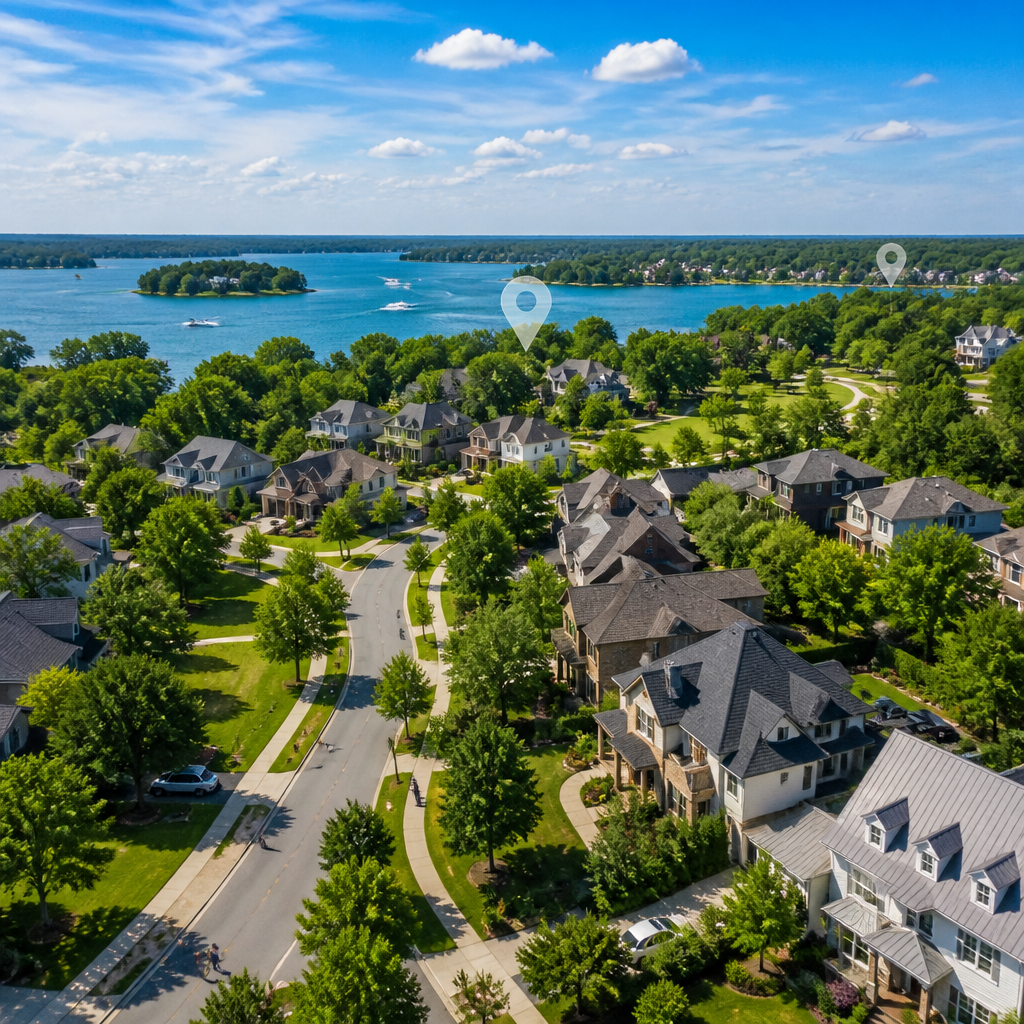

Essential Tips for First-Time Home Buyers in Flowery Branch, GA
Essential Tips for First-Time Home Buyers in Flowery Branch, GA First-time home buyers in Flowery Branch GA face a fast-evolving market shaped by regional growth around Lake Lanier and metro Atlanta. According to National Association of Realtors data from 2023, first-time buyers represented about 32
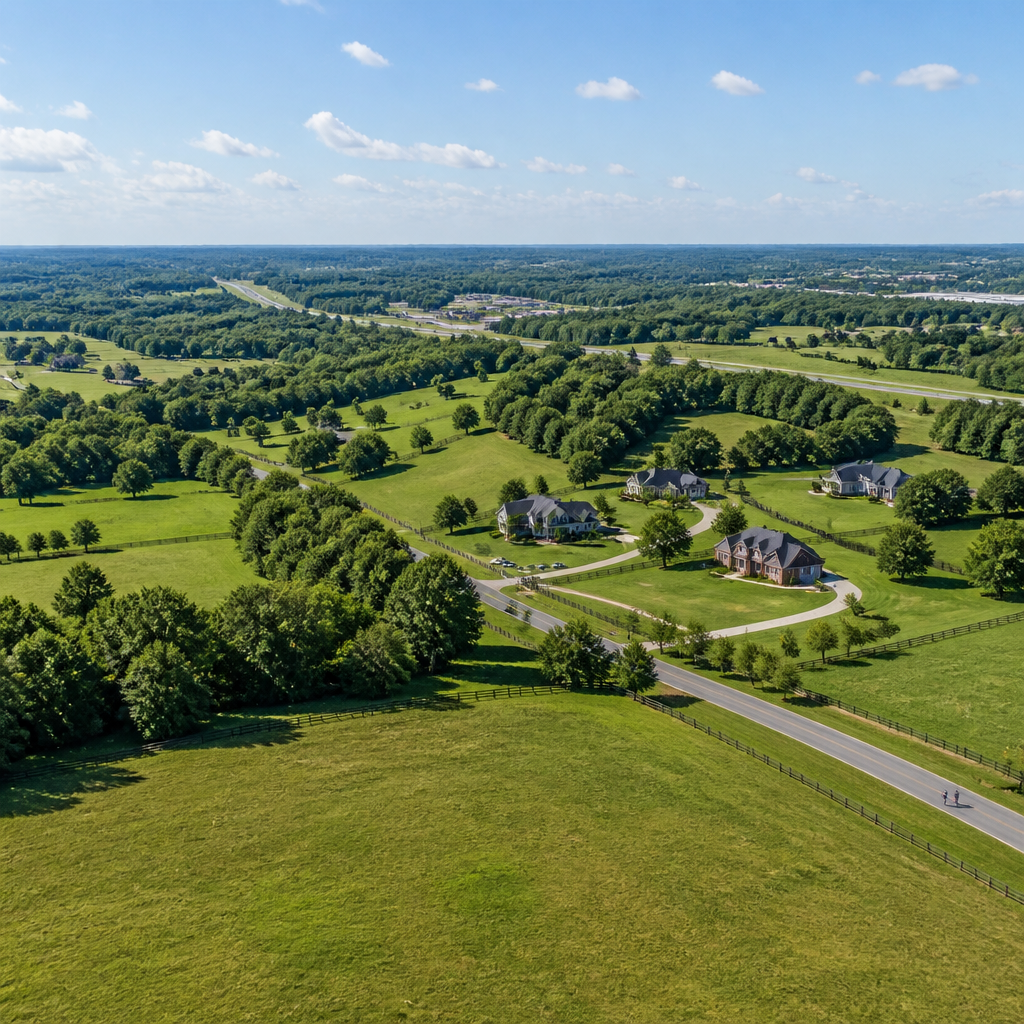
Exploring Acreage Properties in Braselton, GA: A Comprehensive Guide
Exploring Acreage Properties in Braselton, GA: A Comprehensive Guide Acreage properties in Braselton GA attract buyers seeking space, privacy, and proximity to major employment centers along I-85. According to Redfin, the broader Braselton market saw listing prices range roughly between $350,000 and
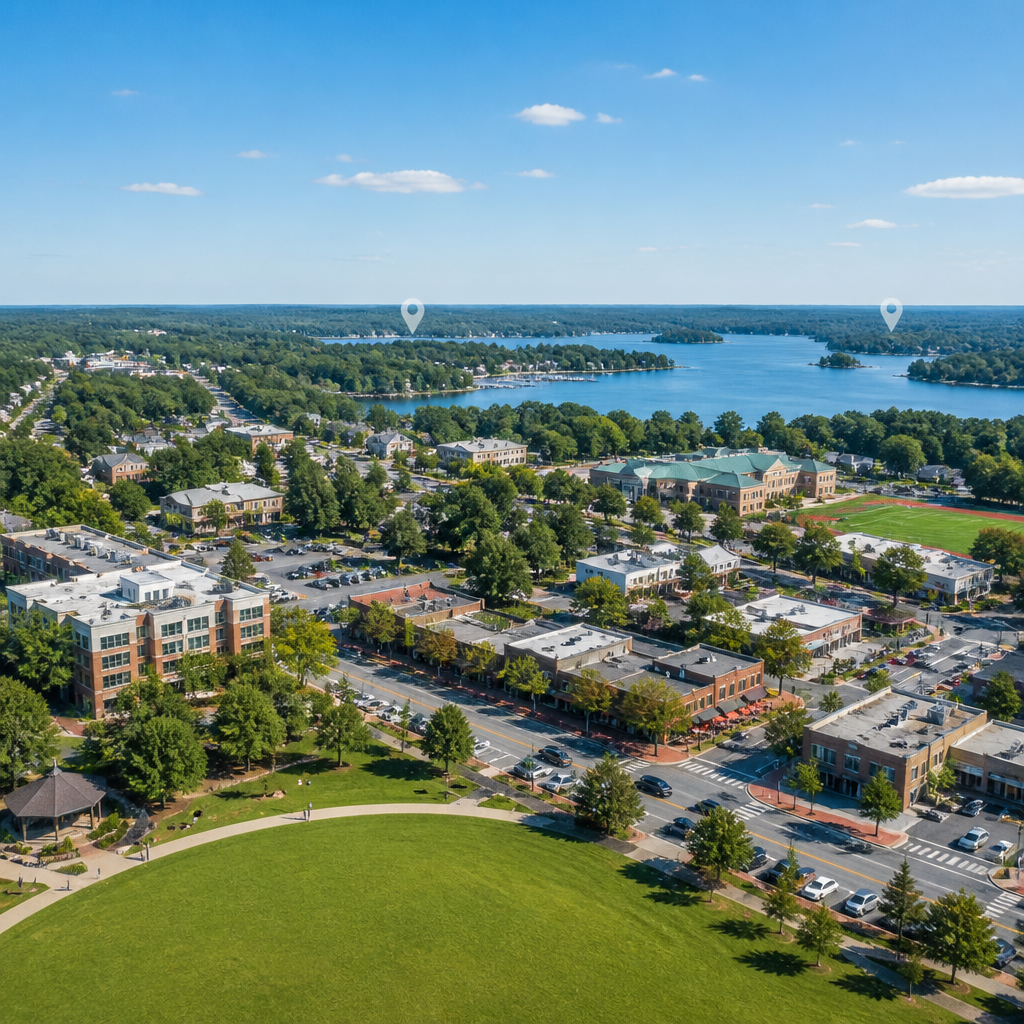
Moving to Buford, GA: What You Need to Know in 2026
Moving to Buford, GA: What You Need to Know in 2026 Moving to Buford GA in 2026 means stepping into a fast-growing small city that still feels locally grounded. According to U.S. Census QuickFacts, Buford’s population recently surpassed 17,000 residents, reflecting steady growth across Gwinnett and